Inaugural Lecture of the Pierre du Bois Chair Europe and the World
Europe’s Histories: The View from Geneva
Tuesday, 29 September 2026 | 18:30–20:00
Auditorium Ivan Pictet A1-B | Maison de la paix, Geneva
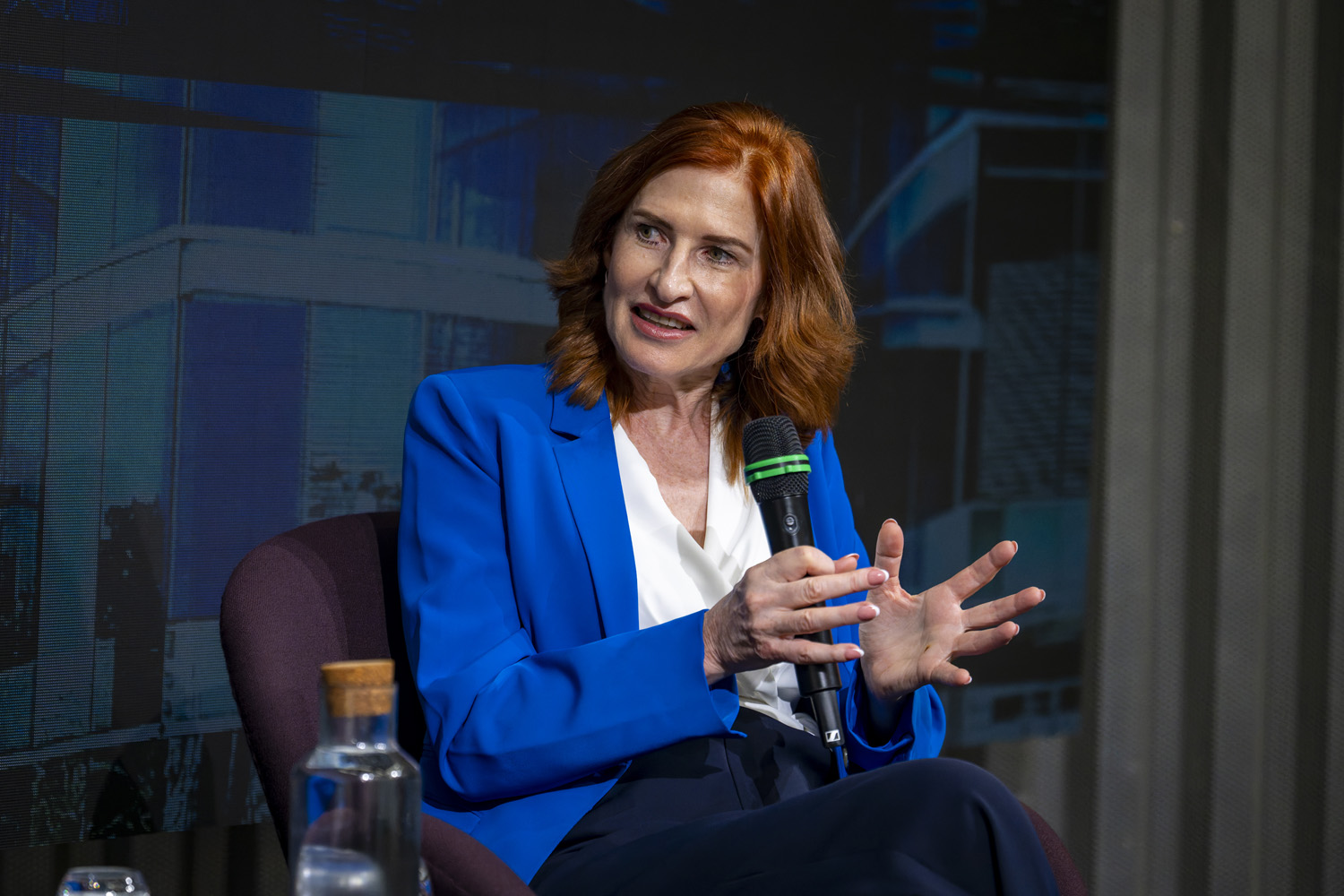
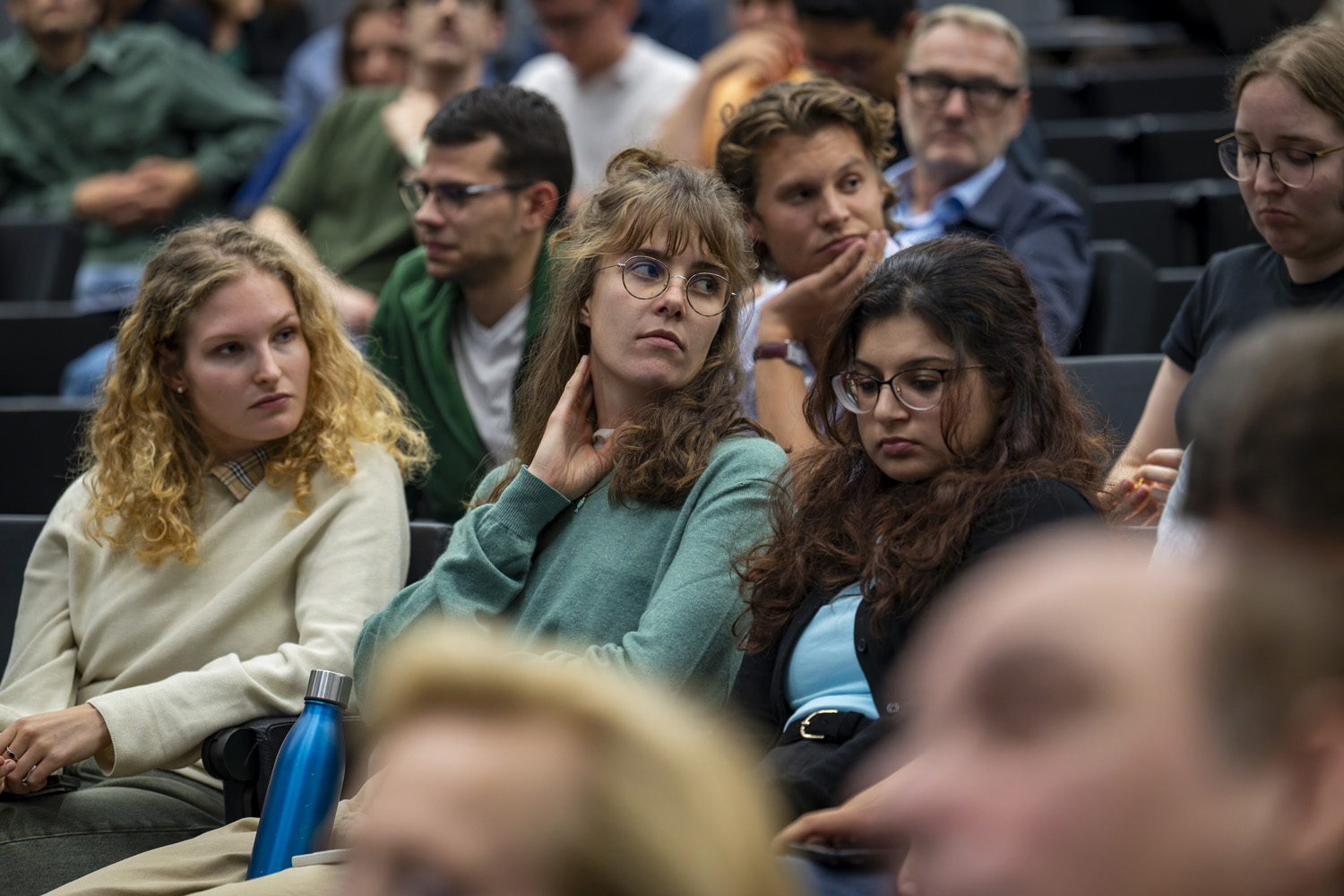
On 29 September, Professor Stella Ghervas gave the Pierre du Bois Chair Inaugural Lecture, exploring how Europe has been shaped by its political relationships, its encounters with the wider world, and the many perspectives that converge in Geneva.
“Europe is not a finished inheritance. It is a history of choices made, of possibilities pursued and abandoned, and of futures that could not be known in advance.”
“Geneva is to Europe what Europe is to the world: both a part of something larger and a place from which to see it differently.”
About the Lecture
No single vantage point can tell us the whole history of Europe. So, what does Europe look like when seen from Geneva?
In her inaugural lecture as Pierre du Bois Chair Europe and the World, historian Stella Ghervas explores how Europe has been imagined, framed and reshaped from different vantage points across the continent and beyond. Drawing on Geneva’s distinctive role as the international “Peace City”, she asks how changing perspectives can transform our understanding of Europe—and of its place in the world. The lecture reflects on the maps, borders, ideas and international institutions that have shaped successive visions of Europe, from the eighteenth century to the present.
The Event
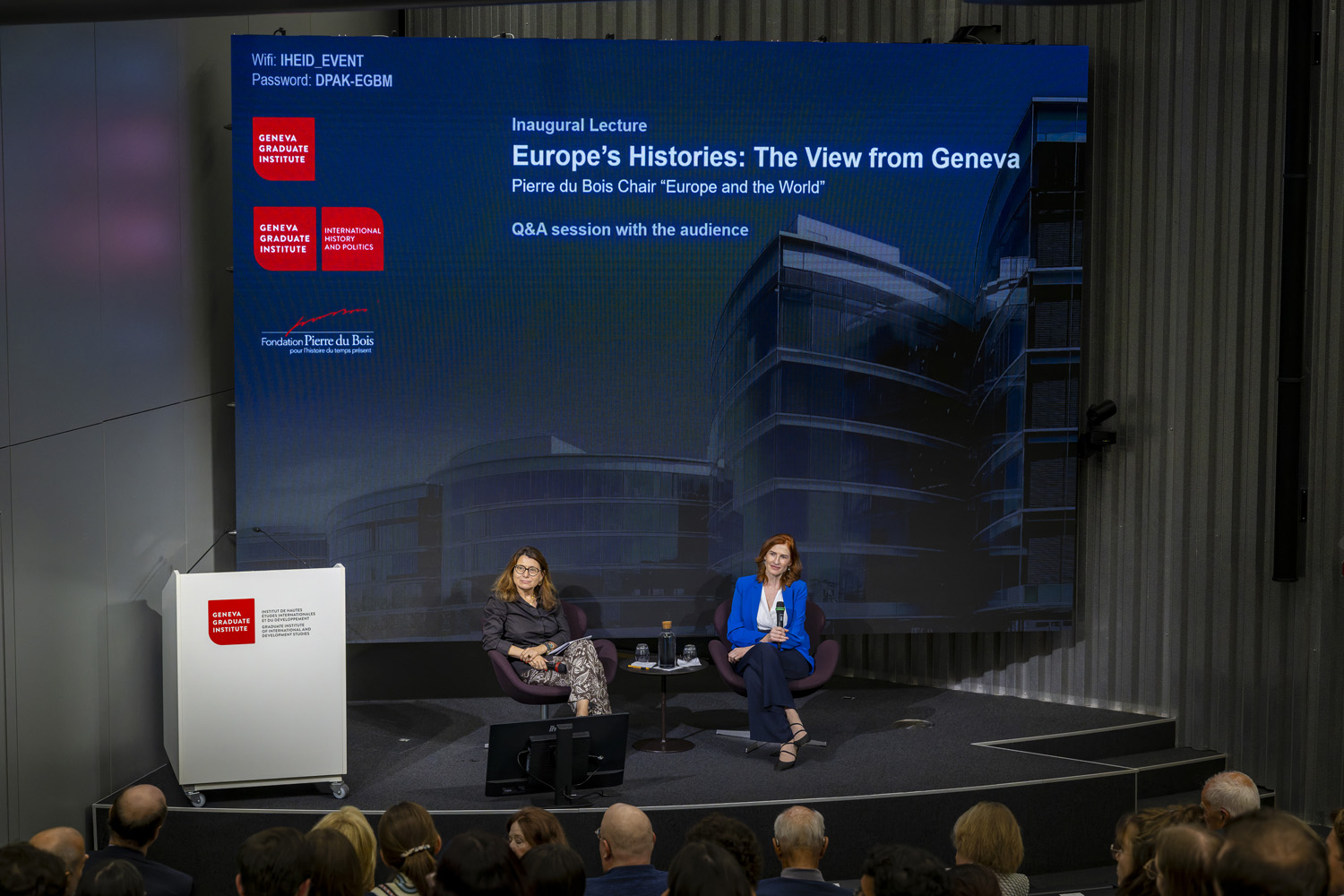
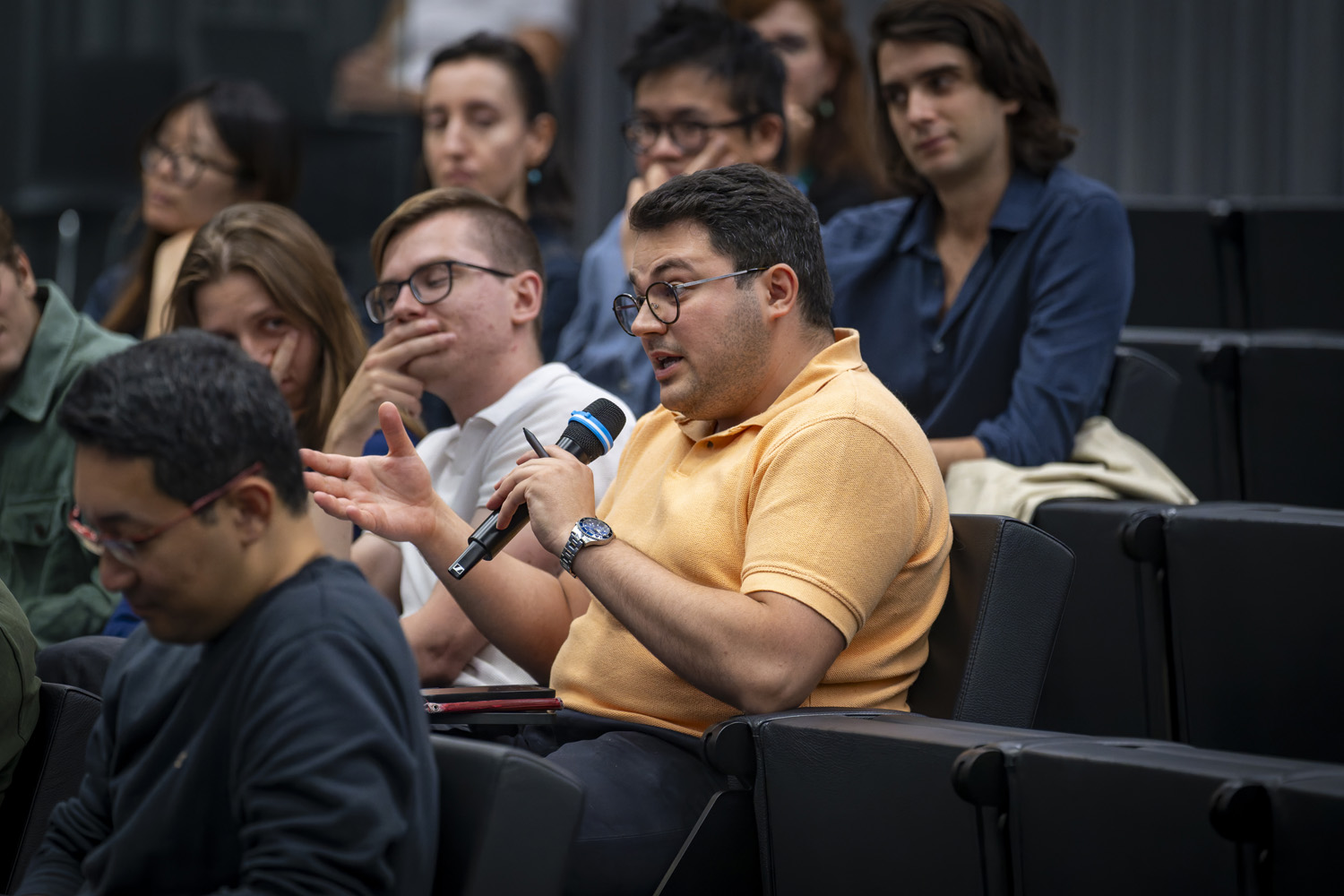
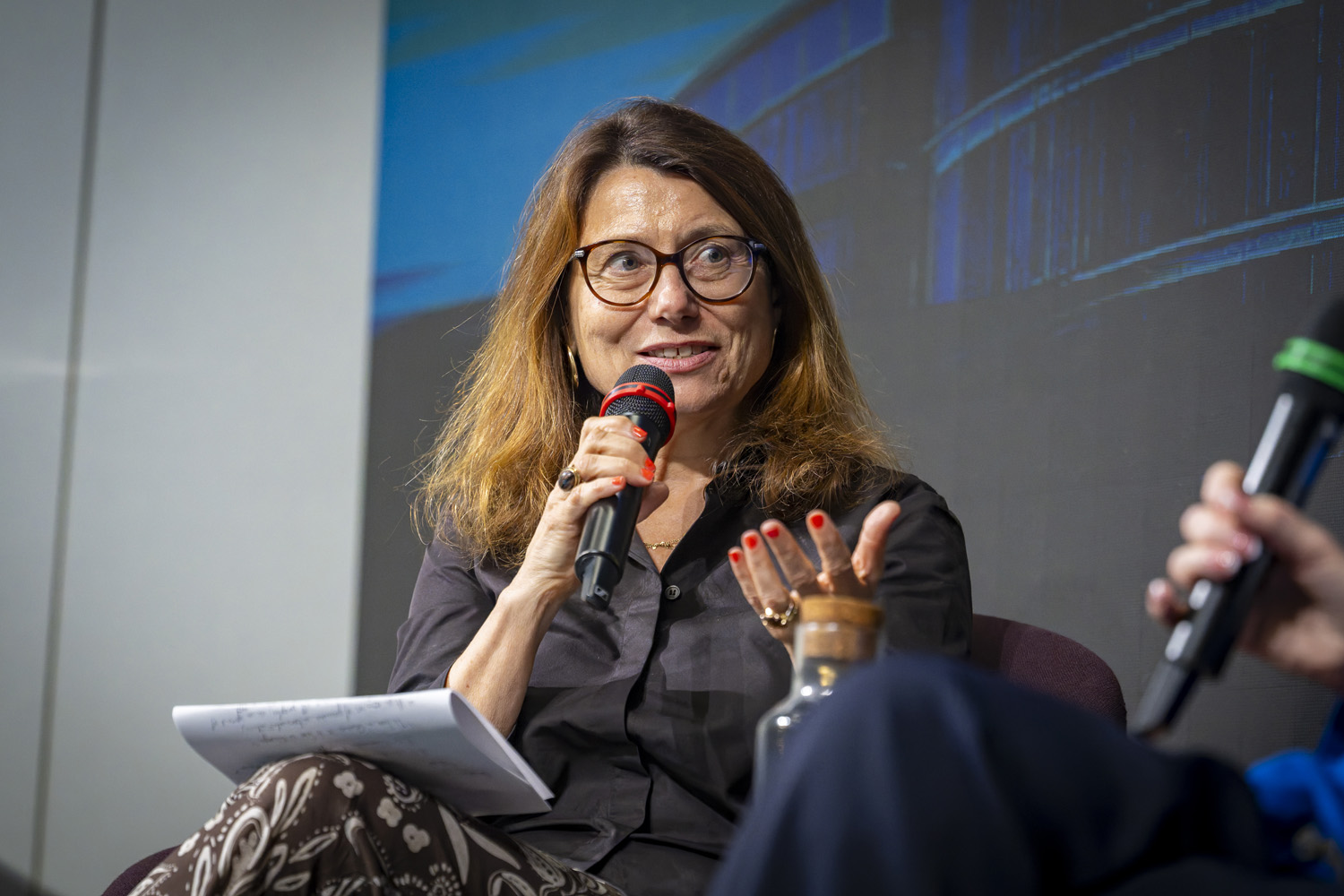
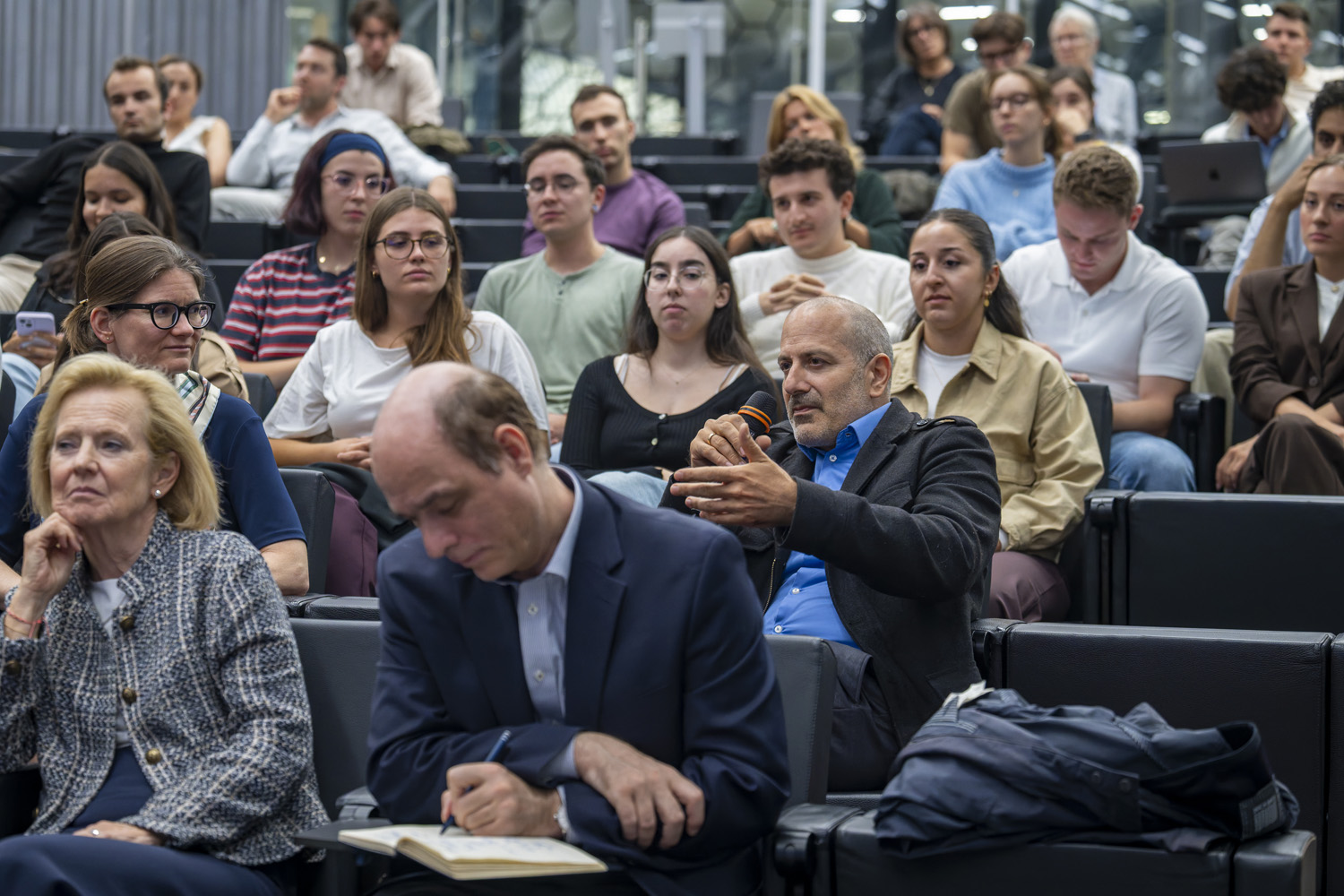
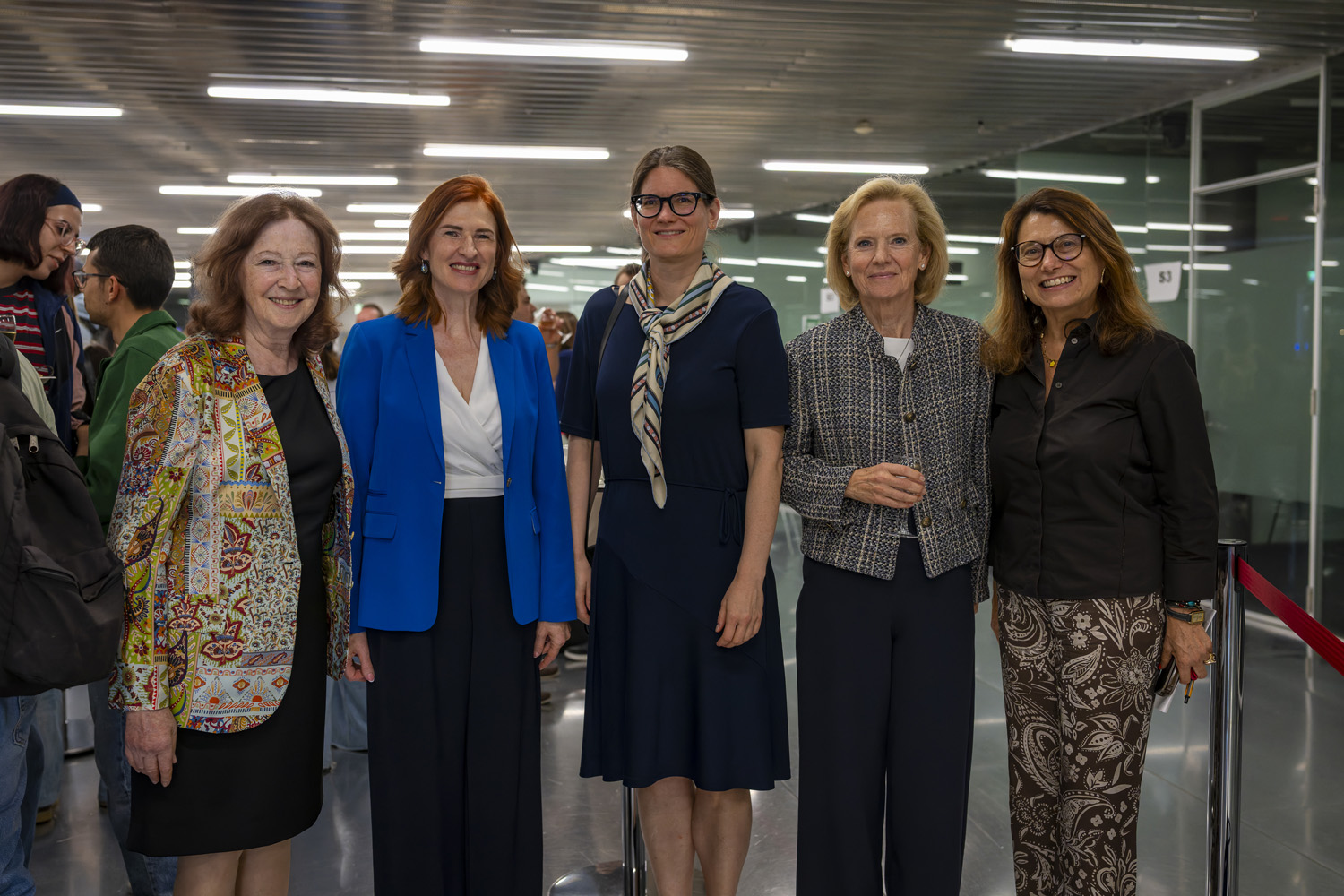
The event opened with an introduction by Marie-Laure Salles, Director of the Geneva Graduate Institute, followed by welcome remarks from Irina du Bois on behalf of the Fondation Pierre du Bois pour l’histoire du temps présent. Stella Ghervas then delivered her inaugural lecture, “Europe’s Histories: The View from Geneva,” followed by a discussion with Marie-Laure Salles and questions from the audience.
Lecture Recording
Lecture Summary
Europe’s Histories: The View from Geneva
Stella Ghervas
29 September 2026
Pierre du Bois Chair Europe and the World and Professor of International History and Politics, Geneva Graduate Institute / Eugen Weber Chair in Modern European History, UCLA
No single vantage point can tell us the whole history of Europe. From where and from when, then, should we look at it? In her inaugural lecture as Pierre du Bois Chair Europe and the World at the Geneva Graduate Institute, Stella Ghervas explores Europe as a changing historical and political space, whose boundaries, identities and forms of coexistence have been repeatedly contested and remade. Her approach reflects a personal and scholarly journey across the continent, from her early experience east of the Iron Curtain to her later years in Western Europe. Geneva brings these different dimensions into focus. Neither detached from the wider European context nor confined to a single national viewpoint, the city offers a distinctive perspective from which to explore the continent’s histories of international connections, diplomacy, humanitarian action and cooperation.
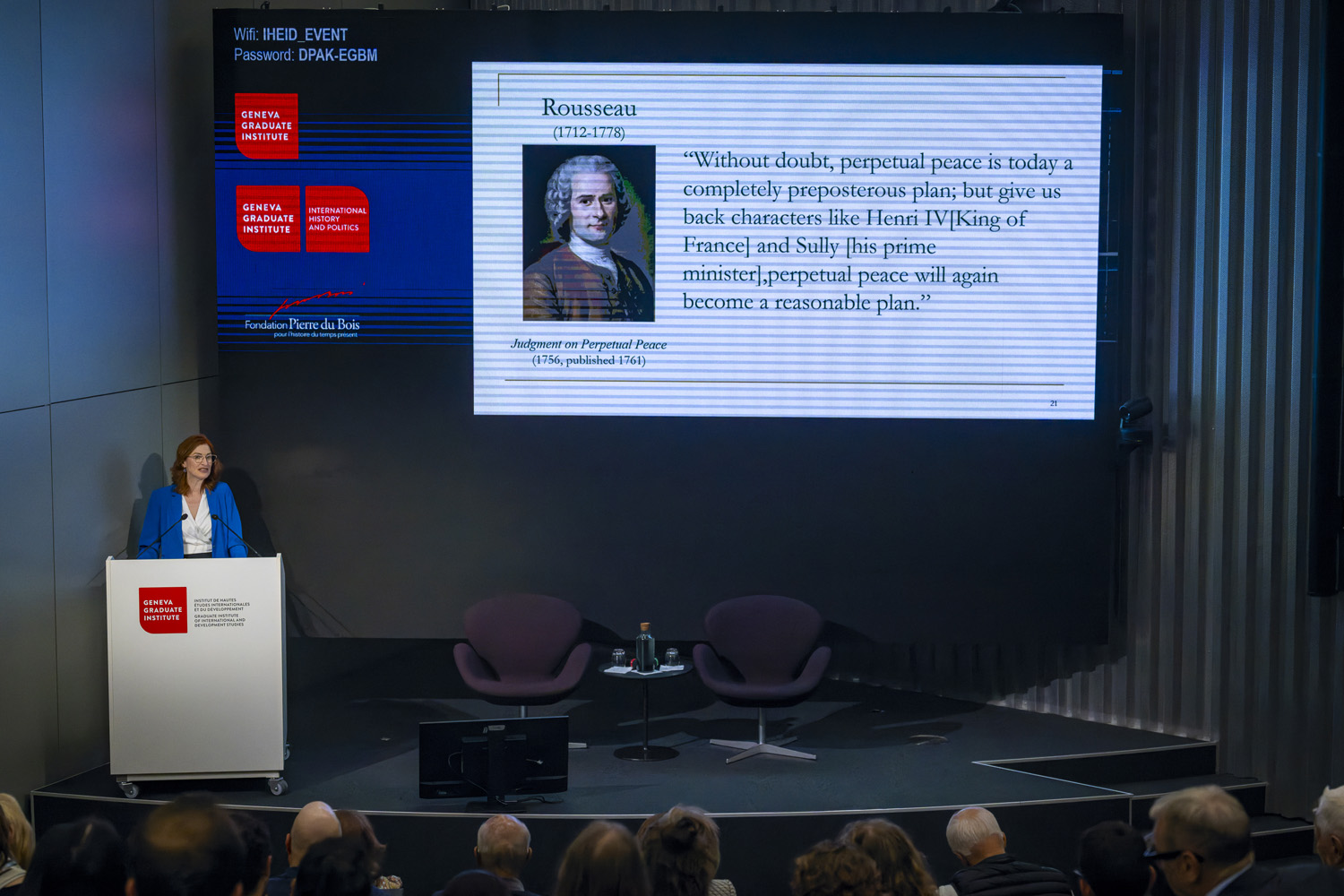
The pursuit of peaceful coexistence lies at the heart of the lecture. It is the central historical question raised by Europe’s enduring political plurality: how can politically diverse states live together in peace? Professor Ghervas traces the evolution of European projects to organise relations among states, from Enlightenment visions of perpetual peace and the Congress System established after 1815 to the League of Nations and the postwar European Communities. Rather than presenting these developments as a linear progression towards European integration, she examines them in the context of their time. Ideas that initially appeared impractical could become political realities, while institutions that seemed promising could fail. Recovering the uncertainty of these historical moments means looking beyond what survived to consider the many alternative futures that contemporaries imagined. These experiences reveal the enduring challenge of reconciling political plurality with peaceful coexistence.
Europe and the world form the wider horizon of this historical inquiry. Europe’s past has been shaped by its encounters with other parts of the world, through migration, trade, diplomacy and intellectual exchange, but also through imperial expansion and unequal relations of power. These encounters transformed societies on both sides and influenced European understandings of sovereignty, civilization, rights and international order. Today, in a world of shifting geopolitical power and increasingly transnational challenges, the question is not only how Europeans can coexist with one another, but how Europe can act in a changing international order.
The lecture closes by considering how this broader history can be understood from Geneva. The city’s significance lies in the role it has played as a place where Europe has come to argue, negotiate, seek refuge, make peace and imagine something different. The view from Geneva offers no definitive answer to what Europe is. Rather, it reveals a continent shaped by choices, possibilities pursued and abandoned, and aspirations that extended beyond the limits of their time. In this sense, Europe is not an answer, but a history.
About the Speaker
Stella Ghervas is Professor of International History and Politics and Pierre du Bois Chair Europe and the World at the Geneva Graduate Institute. She is also the Eugen Weber Chair in Modern European History at UCLA. Her research focuses on European and international history, peace and peace-making, diplomacy, and international (dis)order.
Learn more about Professor Ghervas